Cute Bold: The Chunky Typeface That Brings Joy to Your Designs
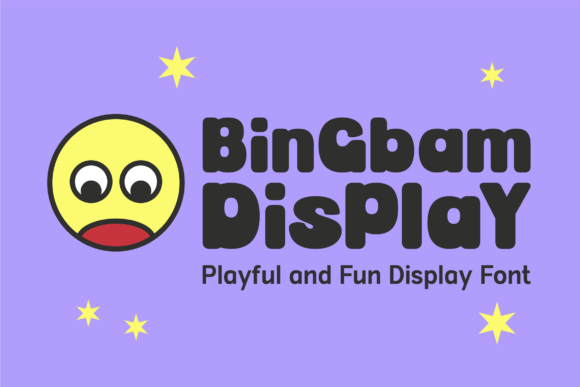
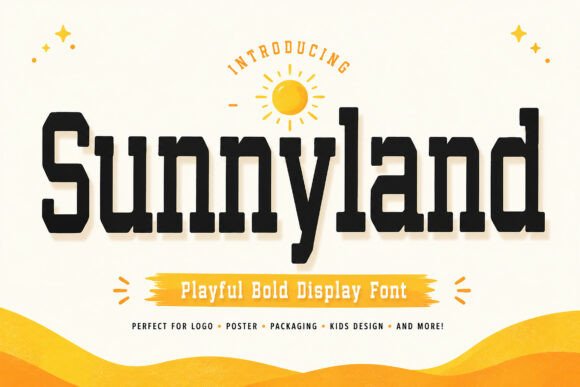
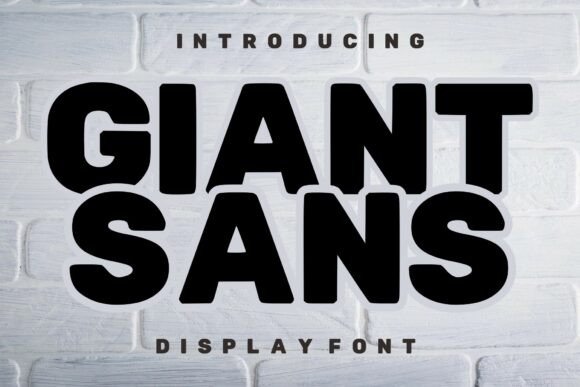
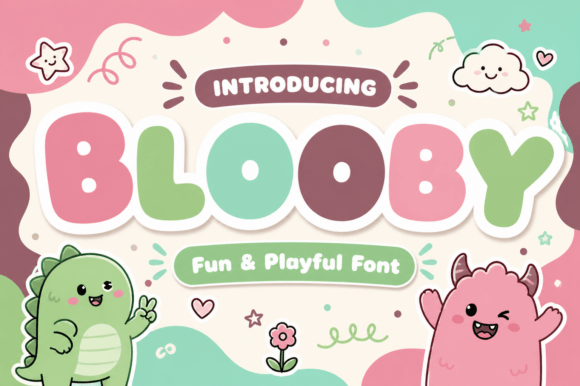
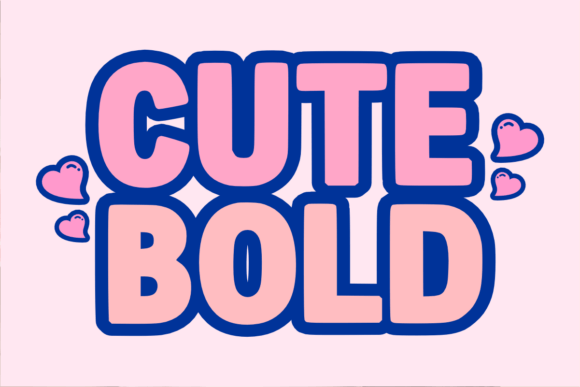
There’s a moment in every design project where you need your message to land with impact, but also with warmth. You want to grab attention, but you don’t want to shout. That’s the sweet spot where the Cute Bold typeface lives. It’s a high-energy, chunky display font built to make a statement, but one that feels more like a friendly wave than a loud command. The ultra-thick letterforms have a playful, slightly irregular baseline that gives your text an organic, hand-lettered quality. This isn’t sterile, geometric perfection; it’s typography with personality, designed to feel approachable and human.
Think of it as the typographic equivalent of a joyful illustration. The heavyweight of the characters provides a fantastic canvas for creative effects. Imagine adding a vibrant multi-color outline or a subtle 3D shadow to make your headlines pop off the screen. The generous, rounded shapes of Cute Bold are particularly well-suited for these treatments, allowing for a level of customization that can make your designs feel truly unique. When paired with bright, high-contrast color palettes and whimsical elements—like the hearts and stars you might see in a preview—it naturally cultivates a brand identity that is both energetic and incredibly approachable.
Where Does This Font Truly Shine?
The strength of a creative font like this lies in its ability to inject life into specific applications. It’s not your go-to for long-form body copy, but as a display font, it excels in roles where personality is paramount. For entrepreneurs and small business owners, consider using it for your logo design, especially if your brand targets a younger demographic or aims for a fun, accessible vibe. It works wonders for youth-oriented brands, children’s products, or any business that wants to project a sense of playful confidence.
In the world of social media graphics, Cute Bold is a powerhouse. Its chunky forms are instantly readable at small sizes on a busy feed, making it perfect for Instagram story stickers, quote graphics, and bold call-to-action overlays. For bloggers and content creators, it can become a recognizable part of your visual language, used for section headers in editorial design or chapter titles in a digital magazine. The font’s inherent cheerfulness also makes it a top contender for packaging design, particularly for products like candy, cosmetics, or stationery where shelf appeal is everything.
Don’t overlook its potential in personal projects. Crafters and hobbyists will find it ideal for custom t-shirt designs, party invitations, or scrapbooking titles. Its hand-lettered feel adds a personal touch that more rigid sans serif fonts or traditional serif fonts simply can’t replicate. The key is to use it strategically, in places where you want to inject a dose of fun and creativity without sacrificing clarity.
Making It Work: Practical Guidance for Designers and Creators
Choosing a premium font is an investment, and evaluating the fit is crucial. Start by looking at your project’s core personality. Is the goal to be sleek, corporate, and minimalist? Then Cute Bold is likely the wrong tool. But if the brief calls for energy, joy, and a touch of whimsy, it’s a strong candidate. Always test it in context. Mock up your logo, your social media post, or your product label. Does the font’s character support your message, or does it distract?
One of the most important skills in modern typography is the art of font pairing. A display typeface like Cute Bold needs a reliable partner for body text. To create a balanced visual hierarchy, pair it with a clean, neutral sans serif font or a simple serif font. The contrast will let the bold headlines do their job without overwhelming the reader. Avoid pairing it with another highly stylized script font or handwritten font, as this can create visual chaos and hurt readability. The goal is for the fonts to have a conversation, not an argument.
When you acquire a typeface like this, review its full character set. Does it include multiple weights, or just the bold? Does it have stylistic alternates or ligatures that can add variety? Check the commercial license carefully to ensure it covers your intended use, whether for a client’s brand identity or for products you plan to sell. This due diligence is part of professional practice and protects your work.
The Impact on Your Brand and Audience
The fonts you choose are silent ambassadors for your brand. They influence perception before a single word is read. Using Cute Bold consistently across your brand identity—from your website headers to your email footers—builds recognition. It tells your audience that your brand is vibrant, creative, and not afraid to show a bit of personality. This consistency fosters trust and makes your materials instantly identifiable.
However, readability should always be your north star. While the chunky forms are highly legible at headline sizes, using it for small blocks of text or in low-contrast color combinations can quickly become a strain. Test your designs at various sizes and on different devices. A great display font enhances engagement by drawing the eye and creating excitement, but it must do so without creating a barrier to understanding.
Ultimately, a typeface like Cute Bold is a powerful design asset. It’s a tool for adding emotion, energy, and a distinct voice to your projects. By understanding its strengths—its fantastic canvas for color, its hand-lettered charm, its joyful personality—and applying it thoughtfully within your broader typographic system, you can create designs that don’t just capture attention, but also connect with your audience on a more human level. It’s about choosing the right voice for the right moment, and sometimes, that voice needs to be bold, friendly, and unmistakably cute.