Letter Magic: A Vintage Serif with Modern Versatility
There’s a certain warmth that comes with looking at an old family recipe card or a vintage postcard from a seaside town. It’s a feeling of authenticity, of something crafted with care and character. Letter Magic is a serif font that captures that feeling perfectly. It’s not just a typeface; it’s a design tool built for nostalgia, offering a playful yet sophisticated retro aesthetic that can elevate a project from simple to memorable. For designers, entrepreneurs, and creators looking to inject a dose of timeless charm, this font provides a versatile foundation.
The Soul of the Typeface
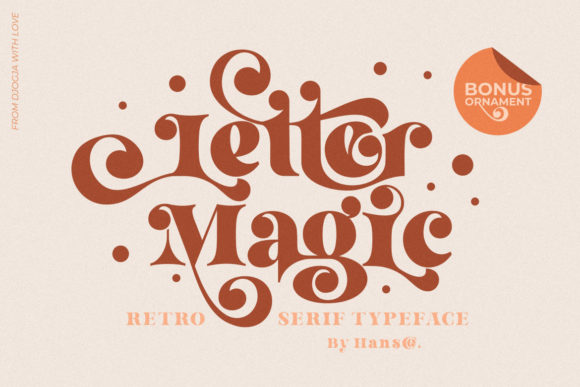
At its core, Letter Magic is a display serif, meaning its primary strength lies in headlines, logos, and short, impactful text blocks. Its character shapes are inspired by mid-century design, featuring gentle curves, slightly condensed forms, and a balanced x-height that ensures legibility even at smaller sizes. The serifs—the small feet at the ends of letter strokes—are refined and elegant, not overly ornate, which prevents it from looking dated or stuffy. This careful balance is what makes it feel "playfully nostalgic" rather than antiquated.
The personality of this font is confident and approachable. It doesn't shout for attention; instead, it draws the eye with its inherent style. Think of it as the typography equivalent of a well-loved leather jacket or a classic diner sign—it has history, but it fits perfectly in a contemporary setting. Its true power, however, is unlocked through its extensive glyph set. Because it is PUA encoded, you have complete access to a treasure trove of stylistic alternates, swashes, and ligatures. This means you can customize the look of headlines or logos, swapping a standard "R" for one with a graceful tail, or connecting letters in a way that feels hand-lettered. This level of control transforms the font from a static asset into a dynamic creative partner.
Where This Font Truly Shines
Understanding where to deploy Letter Magic is key to maximizing its impact. Its vintage charm makes it a natural fit for specific industries and project types, but its clean construction allows it to adapt to more modern contexts when paired thoughtfully.
In branding and logo design, it excels for businesses that want to convey heritage, craftsmanship, or a friendly, artisanal quality. Imagine it for a boutique coffee roaster, a heritage clothing brand, a local bakery, or a craft brewery. The font immediately sets a tone of quality and care. For packaging design, it can make a product feel premium and trustworthy, standing out on a shelf crowded with generic, modern sans serif fonts.
For editorial and publishing work, such as magazine headlines, book covers (especially in historical fiction, romance, or cozy mysteries), or blog headers, it adds instant visual interest. It pairs beautifully with a clean, neutral sans serif for body text, creating a strong visual hierarchy that guides the reader's eye. In the digital space, it works wonderfully for social media graphics, website hero sections, and email newsletter banners where stopping the scroll is paramount. Its unique style helps create a recognizable and engaging brand identity online.
Beyond commercial use, it’s a fantastic choice for personal projects. Think wedding invitations with a classic, romantic feel, personalized stationery, or scrapbook layouts that tell a story. For crafters and hobbyists, the ease of accessing all the glyphs means creating beautiful, custom monograms or quote art is straightforward and fun.
Making It Work: Practical Pairings and Considerations
A beautiful font is only as good as its implementation. To use Letter Magic effectively, consider these practical guidelines.
Font Pairing is Critical. This is a display serif with a strong personality. Pairing it with another decorative or script font will create visual chaos. The best practice is to let it be the star. Combine it with a highly legible, neutral sans serif font for body copy. Fonts like Montserrat, Lato, or Open Sans provide a clean, modern contrast that allows the vintage charm of Letter Magic to pop without overwhelming the design. For a more sophisticated, editorial look, you could pair it with a simple, modern serif for body text, but ensure the contrast in weight and style is clear.
Evaluate the Project's Voice. Does the project need to feel trustworthy and established? Does it aim for a friendly, handcrafted vibe? If yes, this font is a strong candidate. If the project demands a hyper-minimalist, futuristic, or corporate feel, it may not be the right fit. Always align the font's personality with the brand's message.
Test for Readability. While it's excellent for headlines, always test its readability at the intended size, especially in digital contexts. Use the stylistic alternates and swashes sparingly—often, one or two special characters in a headline are enough to add flair without sacrificing clarity. For very long paragraphs of text, it is not recommended; switch to a more traditional body font.
Explore the Full Toolkit. Don't just install the base font and forget it. Open the glyphs panel in your design software (like Adobe Illustrator, Photoshop, or Affinity Designer) and explore what's included. The swashes and alternates are what give you the ability to create truly unique, custom typography that doesn't look like it came from a template.
Understand the License. As a commercial font, ensure you purchase the appropriate license for your use—whether for a single client project, multiple projects, or for products you sell (like templates or merchandise). This supports the font designer and protects you legally.
In the end, Letter Magic is more than just a collection of letters. It’s a design asset that carries a mood and a story. By understanding its strengths, pairing it wisely, and leveraging its full set of features, you can use it to create work that feels both authentically retro and refreshingly modern. It’s a tool for anyone who believes that good design has the power to evoke emotion and build lasting connections.