Rumbleside: A Blackletter Font for Modern Impact
When you need a design to command immediate attention, the typeface you choose is your first and most powerful tool. Rumbleside is a premium blackletter font that answers this call, merging the time-honored authority of classic letterforms with a contemporary, sharp-edged aesthetic. It’s not just a typeface; it’s a statement piece for your design toolkit, built for projects where first impressions are non-negotiable.
Understanding the Rumbleside Typeface
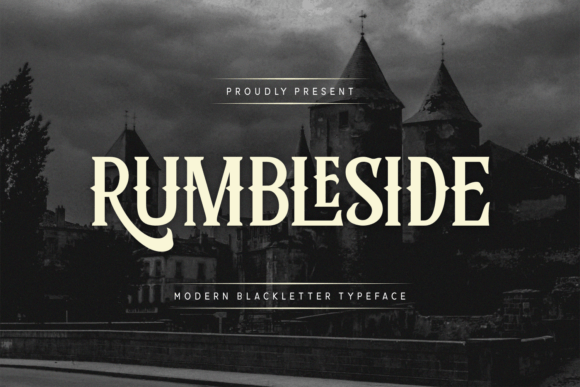
At its core, Rumbleside is a display font, meaning it's engineered for impact at larger sizes rather than for setting long blocks of body copy. Its visual personality is a compelling mix of tradition and modernity. The structure draws from blackletter traditions, with strong vertical strokes and intricate, angular curves that evoke a sense of history and craftsmanship. However, the execution is decidedly modern. The edges are crisp and precise, avoiding the overly ornate or weathered look of some historical scripts. This gives Rumbleside a clean, powerful presence that feels both familiar and fresh.
The overall appeal lies in its inherent sophistication and strength. It carries a weight of authority without feeling dated. This makes it a versatile creative font for designers looking to inject a dose of bold elegance into their work. Think of it as the typographic equivalent of a tailored leather jacket—it has classic roots but a sharp, contemporary edge that makes it stand out in a crowd.
Where Rumbleside Truly Shines: Practical Applications
The real value of a font like Rumbleside is in its application. Its strong visual hierarchy makes it a natural fit for specific, high-impact design scenarios. Let's explore where this typeface can elevate your projects.
Branding and Logo Design
For logo design, Rumbleside offers an instant foundation of character and prestige. It’s particularly effective for brands in the craft beverage space (think artisanal breweries, distilleries, or coffee roasters), luxury goods, men’s grooming, or any venture that wants to convey heritage and substance. A logo set in Rumbleside tells a story of quality and tradition before a customer even reads the brand name. When building a brand identity, using Rumbleside for the primary logo lockup and then pairing it with a clean sans serif font for supporting text creates a balanced and professional system.
Editorial and Publishing Design
In editorial design, Rumbleside is a standout choice for headlines, chapter titles, and pull quotes. A magazine feature on vintage motorcycles, a book cover for a historical thriller, or a blog header for a craftsman’s journal would benefit from its distinctive character. It immediately sets a specific tone, drawing the reader into the content’s world. However, readability is key here. Always test the font at the intended size to ensure its intricate details remain clear. For body text, you’ll want to pair it with a highly legible serif font or sans serif font.
Marketing, Digital, and Print Collateral
From social media graphics to packaging design, Rumbleside excels where you need to stop the scroll or catch the eye on a shelf. Use it for a hero headline on a website banner, a striking title on an event poster, or the primary call-to-action on a premium product label. In web design, it can be used sparingly for H1 or H2 headings to create a dramatic visual anchor, but should be avoided for navigation or smaller text elements where clarity is paramount. For print, its sharp vectors translate beautifully to everything from business cards to embossed packaging.
Making Rumbleside Work for You: A Practical Guide
Choosing and implementing a bold display font like Rumbleside requires a thoughtful approach to ensure it enhances rather than hinders your design. Here’s how to integrate it effectively.
- Evaluate the Project Fit: Before you even download the font, ask: Does my project’s message align with Rumbleside’s personality? If you’re designing for a playful children’s brand or a minimalist tech startup, it’s likely the wrong fit. If the project calls for authority, tradition, or a touch of rugged elegance, you’re on the right track.
- Master the Font Pairing: Rumbleside’s complexity demands a simple partner. A clean geometric sans serif font like Montserrat or a classic, readable serif font like Lora often works well. The goal is contrast and balance. Let Rumbleside dominate the headlines while its partner handles the legible, smaller text. Avoid pairing it with other decorative script fonts or handwritten fonts, as this will create visual chaos.
- Review the Included Styles: A quality premium font like Rumbleside often comes with more than just the base style. Check for alternate character sets, ligatures (special combined letterforms), or stylistic sets. These features can provide subtle variations that help you customize the look and feel, making your design unique.
- Prioritize Readability Testing: Never assume. Always test Rumbleside in the context of your actual design. Zoom in to check how the sharp edges render on screen, and print a test page if it’s for a physical product. If any letters become ambiguous at the required size, you may need to increase tracking (letter-spacing) slightly or choose a different application.
- Understand Commercial Licensing: For any commercial project—whether it’s a client’s logo, merchandise, or a paid publication—ensure you have the correct license. Review the EULA (End User License Agreement) to understand what is permitted. This is a critical step in maintaining professionalism and avoiding legal issues down the line.
Ultimately, Rumbleside is more than just a collection of glyphs; it’s a powerful design asset. When used with intention and understanding, it can transform a standard project into a memorable piece of visual communication. Its strength lies in its ability to tell a story of heritage and quality in a single glance, making it an invaluable tool for any creative professional’s arsenal.