Thickster: A Handwritten Font That Adds Instant Cozy Charm
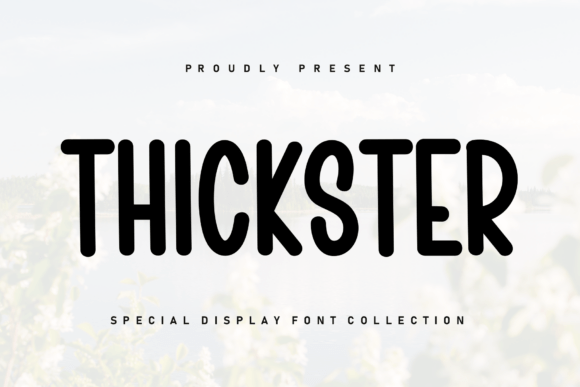
There's a particular warmth that a hand-lettered touch brings to a design. It feels personal, approachable, and genuinely human. This is the essence of Thickster, a sweet and beautiful handwritten font designed to infuse your projects with a cozy, joyful energy. Its characters don't just sit on the baseline; they dance along it, creating a sense of movement and life that static typefaces often lack. For anyone looking to add a layer of authenticity and charm to their work, understanding how to use a creative font like this effectively is key.
The Personality and Visual Appeal of Thickster
At its core, Thickster is a display font with a distinct personality. The letterforms are crafted with a soft, rounded quality and a consistent, confident weight that makes them feel substantial yet friendly. Unlike a more formal script font that might rely on elaborate swashes, Thickster's charm lies in its simplicity and rhythm. The slight variations in baseline and the gentle, organic curves mimic the natural flow of handwriting, making it feel less like a digital product and more like a personal note. This positions it perfectly as a premium font for projects where a human touch is paramount.
Its style is versatile within the realm of friendly, casual aesthetics. It avoids the rough, gritty texture of some handwritten styles, instead offering a clean, polished look that remains legible. Think of it as the typographic equivalent of a warm, welcoming smile. This makes it an excellent choice for applications where clarity of emotion is as important as clarity of text.
Where Thickster Truly Shines: Practical Applications
The true value of any design asset is realized in its application. Thickster's playful yet readable nature makes it a strong contender for a variety of projects across different media.
- Branding and Logo Design: For small businesses, especially in the food, lifestyle, boutique retail, or artisan sectors, Thickster can form the heart of a memorable brand identity. It works beautifully for a bakery logo, a children's clothing line, or a cozy café brand. Pair it with a simple, clean sans serif font for body text to create a balanced and professional hierarchy.
- Packaging and Editorial Design: On product packaging, this typeface can instantly convey handmade quality and care. Use it for product names, taglines, or call-out quotes. In editorial design, it's perfect for pull quotes in magazines, chapter headings in cookbooks, or titles in DIY craft blogs, adding a personal, conversational tone.
- Digital and Social Media: The font's inherent energy is ideal for the fast-paced world of social media graphics. It grabs attention for Instagram story headlines, Pinterest pin titles, or YouTube video thumbnails. Its readability at larger sizes also makes it suitable for website headers in web design, particularly for landing pages or blog titles that aim to feel inviting.
- Personal and Craft Projects: For hobbyists and crafters, Thickster is a joy to use. It can elevate wedding invitations, greeting cards, planners, and scrapbooking layouts. Its friendly character ensures that personal projects feel heartfelt and unique.
Making It Work: Guidance for Effective Use
Choosing the right typeface is only half the battle; using it well is what creates impact. Here’s how to integrate a font like Thickster into your workflow effectively.
Evaluating Fit and Readability
First, consider your project's core message. Is it meant to be professional and authoritative, or friendly and approachable? Thickster leans strongly toward the latter. It's not the best choice for lengthy body copy or technical documents where a serif font or standard sans serif excels. Its strength is in headings, short phrases, and accent text where its personality can shine without causing fatigue.
Always test readability in context. A font that looks charming on a screen might become difficult to read at small sizes on a printed product or against a busy background. Check for clarity, especially with similar-looking characters in your specific text.
Mastering Font Pairing
A font pairing strategy is crucial. Thickster's strong personality means it benefits from a calm, stable partner. A geometric sans serif or a humanist sans serif provides a clean, modern counterbalance. For a more classic feel, a simple serif with moderate contrast can also work. The goal is to let each font play its role: Thickster for impact and emotion, its partner for extended reading and information.
Understanding Licensing and Styles
Before purchasing any commercial font, review the licensing agreement carefully. Ensure it covers your intended use, whether for a client's commercial project, personal merchandise, or digital products. Also, check what's included in the font package. Does it come with multiple weights, stylistic alternates, or multilingual support? These features can significantly expand its utility and value as a design tool.
In a landscape saturated with sterile digital fonts, a well-crafted handwritten font like Thickster offers a valuable shortcut to authenticity. It’s a tool for designers, marketers, and creators who understand that sometimes, the most powerful connection is a human one. By applying it thoughtfully, you can transform a standard project into something that feels personal, engaging, and unmistakably warm.