Madeline Font: A Sweet and Elegant Handwritten Typeface
There's a certain warmth that only a truly well-crafted handwritten font can bring to a project. It's the difference between a generic, automated feel and something that looks like it was made with care. Madeline is an elegant and sweet handwritten font that captures this feeling perfectly. Its beautiful feel and delicate charm make it a versatile tool for anyone looking to add a personal, sophisticated touch to their work.
The Visual Personality of Madeline
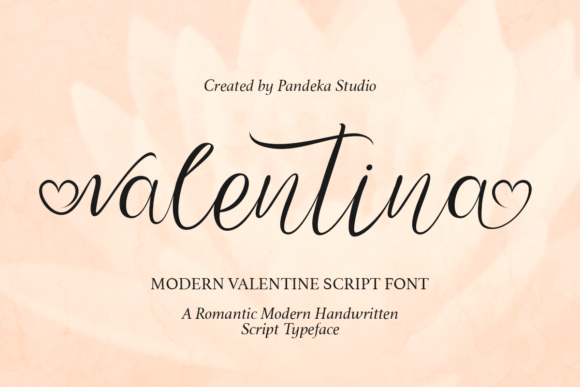
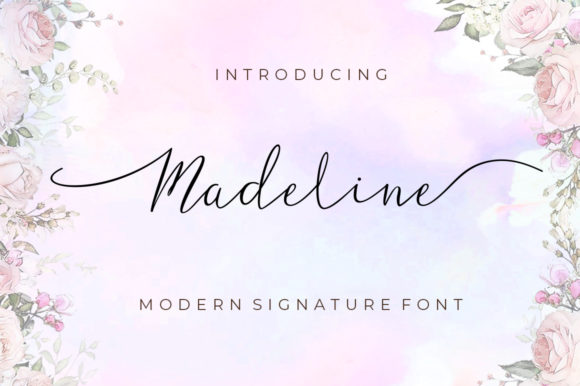
At first glance, Madeline presents a balanced mix of elegance and approachability. The letterforms are fluid and connected, mimicking the natural flow of hand-lettering with a brush or fine-tipped pen. This script font avoids being overly casual or childish. Instead, it leans into a refined, feminine aesthetic with gentle curves and consistent, graceful strokes.
Key characteristics include:
- Flowing Connections: The letters connect smoothly, creating a cohesive word picture that feels organic.
- Delicate Weight: The strokes are generally light to medium, contributing to its sweet and airy appearance.
- Readable Swashes: Many script fonts sacrifice legibility for flair. Madeline maintains a clear, readable structure even with its decorative touches, making it practical for more than just headlines.
- Modern Calligraphic Style: It feels contemporary, avoiding the dated look of some traditional script fonts. This makes it a great fit for modern typography projects.
Where Madeline Truly Shines: Practical Applications
Choosing the right typeface is about matching personality to purpose. Madeline's sweet elegance makes it a strong candidate for projects where connection and authenticity are key. It's not a workhorse serif font for body copy, but a specialized display font for moments that need a human touch.
Branding and Identity
For businesses built on personal connection, Madeline can become a cornerstone of their brand identity. Think of a boutique wedding planner, a skincare line with natural ingredients, a high-end patisserie, or a lifestyle coach. Using Madeline in the logo design or as the primary brand font for headlines instantly communicates a sense of care, quality, and personal service. It tells customers, "We pay attention to the beautiful details."
Marketing and Digital Content
In the digital space, standing out is everything. Madeline works exceptionally well for:
- Social Media Graphics: Quotes, announcements, and story highlights gain a personal, eye-catching quality.
- Email Marketing Headers: A subject line or header set in Madeline can increase open rates by feeling more personal and less corporate.
- Website Banners and Calls-to-Action: Used sparingly, it can draw attention to key messages without overwhelming the user experience.
Publishing and Print
In editorial design and packaging design, Madeline adds a layer of sophistication. It's perfect for book titles in romance or lifestyle genres, chapter headings, or pull quotes. On product packaging—think artisanal chocolates, candles, or cosmetics—the font reinforces a premium, handcrafted quality that justifies a higher perceived value.
Making Madeline Work for You: Practical Guidance
Adopting a new creative font is exciting, but using it effectively requires some strategy. Here’s how to integrate Madeline into your projects with confidence.
Evaluate the Project Fit
Ask yourself: does the project call for warmth and personality? Madeline is ideal for targeting an audience that appreciates aesthetics and personal touch. It may not be the best choice for a corporate finance report or a technical manual. For those contexts, a sturdy sans serif font or a classic serif would be more appropriate. The goal is alignment between the font's voice and your message.
Master the Font Pairing
A premium font like Madeline rarely works in isolation. Its true power is unlocked through thoughtful font pairing. Because it's a display font, it needs a complementary partner for longer text.
- Pair with a Clean Serif: A classic serif font (like Garamond or a modern alternative) for body copy creates a beautiful contrast between the elegant headline and the readable text.
- Pair with a Neutral Sans Serif: A simple sans serif (like Lato or Montserrat) provides a modern, clean backdrop that lets Madeline's personality pop without competition.
- Avoid Other Scripts: Never pair two script or handwritten fonts together. It creates visual chaos and undermines readability.
Consider Readability and Hierarchy
Use Madeline to establish a clear visual hierarchy. It should be reserved for key elements: headlines, subheadings, logos, and short, impactful phrases. Avoid setting entire paragraphs in it, as the connected letterforms can become difficult to read in long blocks. Always test your designs at the actual size they will be viewed, whether on a mobile screen or a printed brochure.
Review the Complete Package
A quality commercial font often includes more than just the basic alphabet. Check what Madeline offers. Does it include:
- Multiple Styles: Italic, bold, or alternate versions can add valuable flexibility.
- Extended Character Set: Look for international language support, ligatures, and stylistic alternates that allow for customization.
- Clear Licensing: Understand the license. Most premium fonts offer different tiers for desktop, web, and app use. Ensure your chosen license covers all your intended applications, from web design to printed design assets.
Ultimately, Madeline is more than just a handwritten font; it's a design asset that can elevate a project from ordinary to memorable. By understanding its personality, applying it to the right contexts, and pairing it thoughtfully, you can harness its delicate charm to create work that truly resonates with your audience. Its strength lies in its ability to feel both personal and polished—a combination that’s increasingly valuable in our digital world.