Simplify Notation: A Modern Script Font for Elegant Design
There’s a particular kind of design challenge that calls for a touch of human elegance without the weight of tradition. You need personality, but not clutter. Sophistication, but with a contemporary edge. This is where a font like Simplify Notation comes into its own. It’s not just another script typeface; it’s a deliberate design choice for projects that demand a refined, modern voice.
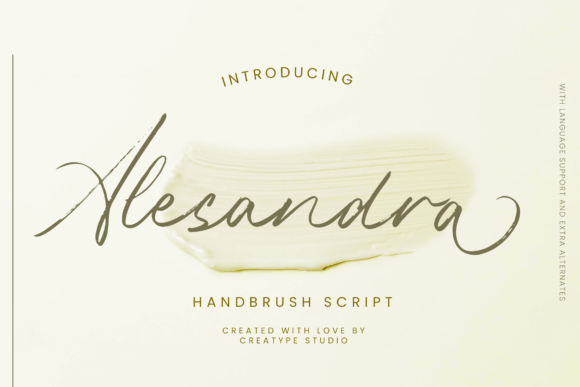
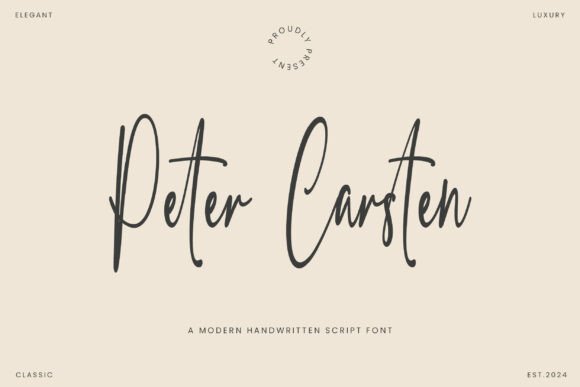
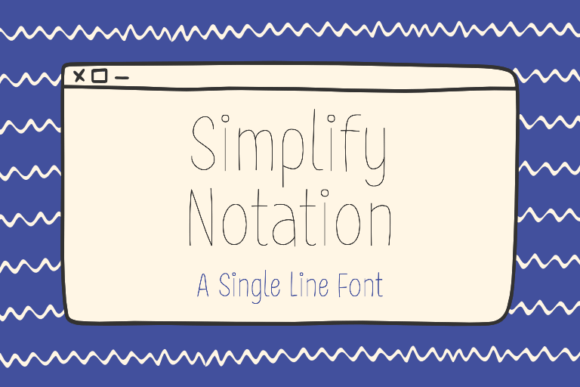
At its core, Simplify Notation is a single-line script font. Think of it as the typographic equivalent of a fine-tipped pen moving with confident, unbroken strokes across a page. The lines are thin, smooth, and fluid, creating a minimalist aesthetic that feels both delicate and assured. There’s a distinct lack of heavy serifs or complex swashes, which gives it a clean, almost architectural quality. This isn’t a font that shouts for attention with ornate details; it commands it through subtlety and precision. Its personality is one of quiet confidence—it’s elegant, sophisticated, and unmistakably modern.
Where This Modern Typography Truly Shines
Understanding a font’s character is one thing; knowing where to deploy it is where strategy meets craft. The strength of Simplify Notation lies in its versatility within a specific aesthetic. It’s a premium font that excels in contexts where clarity and style must coexist.
- Branding and Logo Design: For brands positioning themselves as contemporary, boutique, or luxury, this typeface is a natural fit. Imagine it on a logo for a high-end skincare line, a minimalist jewelry brand, or a modern architectural firm. The clean lines communicate precision and care, directly influencing brand perception. It helps build a brand identity that feels thoughtful and curated.
- Editorial and Packaging Design: In editorial design, use it for elegant pull quotes, chapter headings in a cookbook, or titles for a lifestyle magazine. On packaging, it can elevate a product instantly. A single word like “Essence” or “Craft” rendered in this script on a matte black box or a simple glass bottle adds a layer of tactile sophistication that other fonts might miss.
- Digital Presence and Social Media: As a web design asset, it’s perfect for hero section headlines, call-to-action phrases, or elegant navigation labels on sites for photographers, consultants, or boutique hotels. For social media graphics, it can create a consistent, polished look for quote cards, story highlights, and promotional banners that stand out in a crowded feed.
- Personal and Commercial Projects: Beyond large-scale branding, it’s a fantastic creative font for wedding stationery, personalized business cards, resume headers, or even digital planners. For crafters and hobbyists, it’s a valuable design asset for creating custom decals, signage, or printable art that has a professional finish.
Practical Guidance: Pairing and Application
Choosing a font is only the first step. Using it effectively requires a bit of strategic thinking. Here’s how to get the most out of Simplify Notation.
Evaluating the Fit: Before you commit, ask yourself: Does my project’s mood align with “minimalist elegance”? If you’re designing for a children’s party or a rugged outdoor brand, this likely isn’t the right tool. But for a wedding photographer’s portfolio or a luxury candle brand’s website, it’s a strong candidate. Always view it in context—mock it up on a business card or a website header to see if the personality matches your vision.
The Art of Font Pairing: A script font, even a minimalist one, rarely works well alone for body text. Its strength is in display roles. The key is to pair it with a complementary typeface that provides structure and readability. Consider these pairings:
- With a Clean Sans Serif: This is a foolproof combination. Pair Simplify Notation with a neutral, geometric sans serif font like Montserrat or Lato for body copy. The script adds personality to headlines, while the sans serif ensures paragraphs remain easy to read. This creates a clear visual hierarchy.
- With a Classic Serif: For a more traditional yet still modern feel, try it with a transitional serif font like Garamond or Times New Roman. The contrast between the flowing script and the structured serif can be very elegant, suitable for editorial layouts or formal invitations.
- Testing for Readability: Because of its thin lines and connected letters, readability considerations are paramount. Never use it for long paragraphs or small body text. Its sweet spot is in larger sizes for headlines, subheads, and accent text. Always test how it looks on both a high-resolution screen and in print, as fine lines can sometimes disappear on low-quality prints or small mobile screens.
Understanding the Package: When you acquire a commercial font like this, explore what’s included. Look for alternate characters, stylistic sets, or ligatures. These can offer subtle variations that help customize the look for your specific project, adding a unique touch that others using the font might not employ. Also, always review the licensing terms to ensure your use—whether for a client project, merchandise, or digital products—is fully covered.
In the end, Simplify Notation is more than just a display font; it’s a tool for shaping perception. It’s the subtle detail that can make a brand feel more considered, a design more polished, and a message more personal. By understanding its strengths and applying it thoughtfully, you can leverage this modern script to create work that feels both timeless and distinctly of the moment.