Block Retro: A Designer’s Guide to Varsity Typography
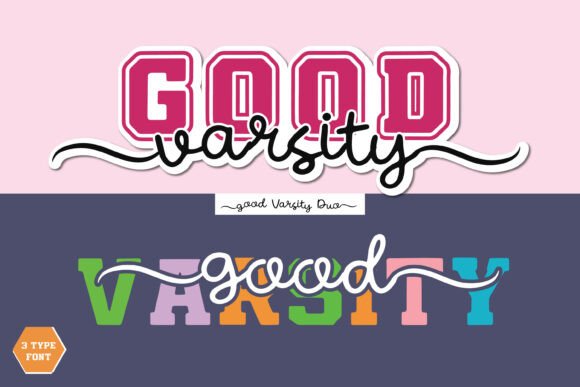
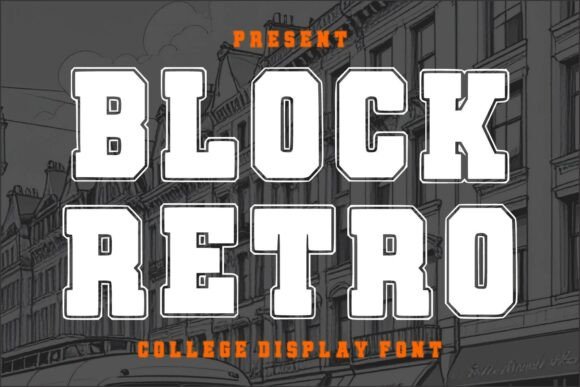
In the vast world of digital assets, finding a typeface that balances nostalgia with modern usability is a rare win. Block Retro is one of those gems. It is a bold college-style display font that draws direct inspiration from the golden age of varsity athletics and classic American lettering. If you look at the character set, you immediately see the heritage: strong block shapes, geometric stability, and a collegiate style that feels both authoritative and familiar. This isn't just a font; it is a statement piece. For designers, marketers, and entrepreneurs, understanding how to wield this type of display font is crucial for creating visuals that stop the scroll and command attention.
What makes Block Retro stand out in a sea of typography options is its personality. It doesn't whisper; it shouts. Yet, because of its roots in vintage athletic wear and old-school university branding, that shouting feels confident rather than aggressive. The visual weight of the letters provides an instant anchor for any layout. Whether you are working on a logo for a new startup or designing a poster for a local event, the font delivers a powerful, timeless look. It evokes a sense of tradition and durability, suggesting that the brand behind it is established and trustworthy. This is the kind of creative font that bridges the gap between a serif font’s stability and a sans serif font’s cleanliness, all while maintaining a distinct, sporty character.
Practical Applications: From Branding to Apparel
The versatility of Block Retro is often underestimated. While it is the obvious choice for sports branding and university themes, its utility extends far beyond the playing field. Think about the current trends in modern typography. We are seeing a massive resurgence of vintage aesthetics in web design, packaging design, and social media graphics. This premium font fits perfectly into that landscape.
For small business owners and entrepreneurs, particularly those in the apparel industry, Block Retro is a powerhouse. It is ideal for team logos, merchandise, and screen printing because its letterforms are designed to hold up at various sizes without losing integrity. The thick strokes and open counters ensure legibility, whether it is embroidered on a chest or printed on a billboard. However, don't limit your thinking to clothing. Consider how effective this typeface is for:
- Editorial Design: Using the font for pull quotes or section headers in a magazine or blog layout adds a dynamic punch that breaks up long blocks of text.
- Digital Marketing: In the fast-paced world of social media, bold typography stops thumbs. Using Block Retro on Instagram stories or YouTube thumbnails creates an immediate focal point.
- Event Branding: Music festivals, food truck rallies, and community sports leagues often need a visual language that feels energetic and inclusive. This font hits that note perfectly.
When you are building a brand identity, consistency is key. Block Retro allows you to maintain a cohesive look across different mediums. A logo designed with this font will look just as good on a digital header as it does on a physical banner. It bridges the gap between digital and print, acting as a reliable design asset in your toolkit.
Typography Strategy: Pairing and Hierarchy
Using a display font like Block Retro requires a bit of strategy. Because it has such a strong personality, it works best when it is given room to breathe. You generally do not want to use it for body copy; it is too dense and stylistic for long-form reading. Instead, use it to create a strong visual hierarchy. Let it dominate the headlines, sub-headers, and calls to action, while relying on a cleaner typeface for the supporting text.
The art of font pairing is where the magic happens. To make Block Retro shine, you need a contrast. A clean sans serif font like Helvetica, Open Sans, or Montserrat makes an excellent partner. The simplicity of the sans serif allows the intricate, blocky nature of the retro font to take center stage without visual competition. Alternatively, pairing it with a clean serif font can create an interesting "old meets new" aesthetic, giving your layout a sophisticated yet approachable vibe.
Avoid pairing Block Retro with a script font or a highly detailed handwritten font. Both styles compete for attention and can make a layout look cluttered and difficult to read. The goal is clarity. When you use Block Retro, you are making a bold choice, so the surrounding elements should support that choice, not fight it. Think of the retro font as the lead singer and the body text as the rhythm section—both are necessary, but they have different roles.
Evaluating Fit and Technical Considerations
Before committing to Block Retro for a commercial project, it is wise to do a quick evaluation of the technical details. As a commercial font, you need to ensure that the licensing covers your specific usage, whether it is for a single client project, a line of merchandise, or unlimited print runs. Always read the license agreement provided by the type foundry or marketplace.
From a technical standpoint, review the included styles. Does the font family come with different weights or alternate characters? Having access to variations allows you to fine-tune the look. For example, you might want a heavier weight for a massive hero banner and a slightly lighter weight for a sub-header.
Readability is another critical factor, especially in web design. While Block Retro is legible at large sizes, you need to test it on various devices. Does it render well on mobile screens? Is the kerning (the space between letters) tight enough to look cohesive but loose enough to remain readable? A good practice is to mock up your design on a phone screen and a desktop monitor. If the text feels cramped or the letters blur together, you may need to increase the font size or add a bit more letter spacing in your CSS.
Ultimately, Block Retro is more than just a collection of vectors; it is a tool for storytelling. It tells your audience that you value strength, tradition, and energy. By applying these practical guidelines—pairing it wisely, testing its technical limits, and using it to build hierarchy—you can leverage this premium font to elevate your designs from ordinary to memorable. Whether you are a crafter working on a personal project or a strategist building a global brand, this typeface offers the versatility and punch needed to make your work stand out.