Pink Retro: Capturing Groovy 70s and 80s Vibes in Your Design
In a digital landscape often dominated by clean lines and minimalist sans serif fonts, there is a distinct power in stepping back to the bolder, more colorful eras of design. If you are looking to inject a sense of nostalgia, playfulness, and high-energy fun into your projects, Pink Retro is a typeface that delivers exactly that. It is not merely a font; it is a time machine set to the golden age of disco, funk, and Saturday morning cartoons. For designers, brand strategists, and content creators, understanding how to wield this style can transform a standard layout into a memorable visual experience.
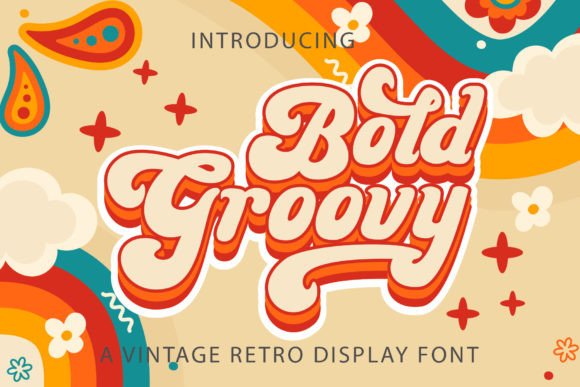
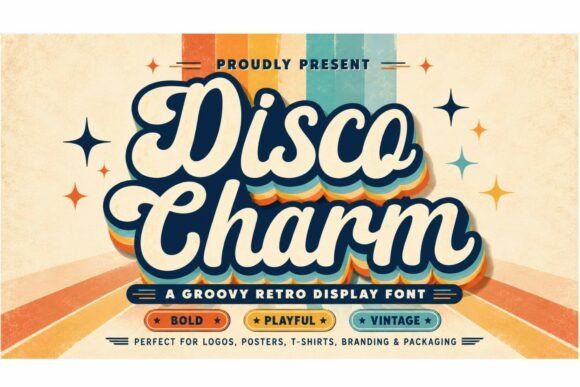
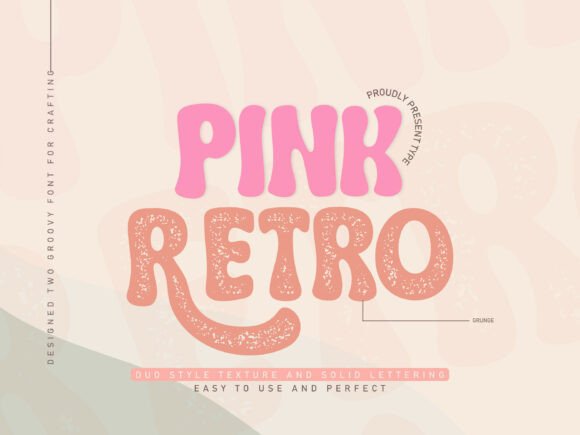
Pink Retro is defined by its "bouncy" baseline and thick, melted letterforms. Unlike rigid geometric typefaces, this display font has a personality that feels organic and tactile. It captures the essence of the 1970s and 80s aesthetic—think lava lamps, roller disco, and neon signage. The characters feature soft, rounded edges that feel almost like bubble gum or puffy stickers, giving them a three-dimensional quality that pops off the page. This makes it an ideal choice when you need typography that commands attention immediately without relying on aggressive or harsh styling.
The Anatomy of a Groovy Typeface
To use a font effectively, you have to understand its technical makeup. Pink Retro is a premium font package that offers versatility through its two distinct styles: Solid and Grunge.
The Solid version is clean, smooth, and vibrant. It works beautifully when you want the color and shape of the letters to take center stage. It feels fresh and modern, despite its retro inspiration, making it perfect for high-resolution digital screens where crispness is key. On the other hand, the Grunge version includes a textured, distressed overlay. This adds instant vintage character, mimicking the look of a screen print on a worn t-shirt or a faded movie poster. For projects requiring a gritty, authentic retro feel, the Grunge style eliminates the need for additional texture overlays in your design software.
As a display font, Pink Retro is designed specifically for headlines and large-scale applications. It is not a workhorse text font meant for long paragraphs of body copy; rather, it is the visual hook that draws the viewer in. When selecting a creative font like this, you are choosing a typeface that serves as the focal point of your visual hierarchy. It sets the mood instantly, signaling to the audience that the content is fun, approachable, and energetic.
Strategic Applications: Where Pink Retro Shines
The utility of a font like Pink Retro extends far beyond simple decoration. It is a strategic design asset that can influence brand perception and audience engagement across various mediums. Here is how different professionals can leverage this font:
- Branding and Logo Design: For small business owners in the fashion, beauty, or lifestyle sectors, a logo sets the tone. Pink Retro is excellent for brands that want to appear friendly and approachable. Think of a boutique clothing store, a retro-themed café, or a nail salon. The bubbly letterforms suggest a business that doesn't take itself too seriously but still values high-quality aesthetics.
- Packaging Design: In a crowded market, shelf appeal is everything. This font works wonders on packaging for snacks, cosmetics, or children's toys. The "melted" texture of the letters feels tactile, which can subconsciously make a product feel more handmade or artisanal compared to rigid, corporate typography.
- Social Media Graphics: On platforms like Instagram or TikTok, you have about two seconds to stop a user from scrolling. Pink Retro’s bold, bouncy style is perfect for Instagram Stories, Reels covers, and sale announcements. It cuts through the noise of standard sans serif fonts used in platform interfaces.
- Merchandise and Apparel: The vintage look is a perennial bestseller in the merchandise world. Whether you are designing t-shirts, tote bags, or enamel pins, the Grunge version of Pink Retro provides that "lived-in" look that customers love. It pairs exceptionally well with screen printing techniques.
- Editorial and Web Design: While not for body text, it is a fantastic choice for pull quotes, chapter titles, or hero section headers on a website. It adds a burst of personality to an otherwise standard layout, making the user experience more enjoyable.
Mastering the Art of Font Pairing
One of the most common challenges with expressive display fonts is finding the right partner for them. Because Pink Retro has such a strong personality, it requires a contrasting companion to maintain readability and balance. This is where the concept of font pairing becomes critical.
Avoid pairing Pink Retro with another decorative, script font, or handwritten font. This will result in visual chaos. Instead, look for a clean, neutral sans serif font or a classic serif font. A geometric sans serif works particularly well because the clean, straight lines provide a restful counterpoint to the bouncy, organic curves of Pink Retro. For example, using a simple sans serif for your sub-headings and body text allows the Pink Retro headline to shine without competing for attention.
When testing your pairings, pay close attention to weight and scale. Pink Retro is naturally bold and wide. If you pair it with a very light, thin font, the contrast might be too stark. A medium-weight sans serif usually offers the best cohesion. This balance ensures your visual hierarchy remains intact, guiding the reader’s eye naturally from the headline to the content.
Practical Considerations for Professional Use
Before integrating Pink Retro into a client project or your own business assets, there are a few practical design and licensing considerations to keep in mind.
First, evaluate the readability at your intended size. While display fonts are meant to be seen, complex bubbly letters can lose legibility if scaled down too small. Always print a proof or view your design on a mobile device to ensure the text remains crisp. If you are using the Grunge version, check that the distressed texture doesn't create "holes" in the letters at smaller sizes.
Second, consider the commercial licensing. If you are using this font for a client's logo, merchandise, or large-scale advertising, ensure you have the appropriate license that covers the end product's distribution. High-quality design assets like Pink Retro are an investment in your brand's professionalism.
Finally, embrace the versatility of the package. Don't just stick to one style. The Solid version might be perfect for a digital web banner, while the Grunge version might be better suited for a printed flyer or a vintage-style t-shirt design. By mixing the styles across your brand identity materials, you can create a cohesive yet dynamic look that feels curated and intentional.
Elevating Your Creative Projects
Pink Retro is more than just a nostalgic novelty; it is a functional tool for modern typography. It bridges the gap between the playful aesthetics of the past and the clean requirements of contemporary web design and editorial design. Whether you are a crafter designing DIY party invitations, a marketer creating a vibrant email campaign, or a designer building a full brand identity, this font provides the "fun factor" that so many projects lack.
By thoughtfully applying its bubbly, textured letterforms, you can evoke specific emotions—joy, nostalgia, and excitement—that resonate deeply with audiences. It proves that modern typography doesn't always have to be serious or stark; sometimes, the best way to connect with an audience is to invite them to a groovy, colorful party.