Classic Western: Reviving the Spirit of the Frontier in Modern Design
More Than Just a Font: Capturing an Era
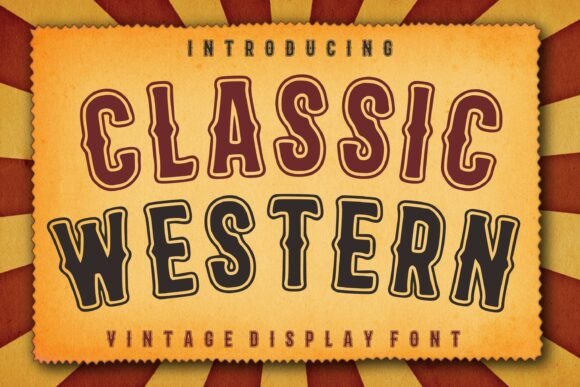
There's a reason the Wild West continues to captivate our imagination. It speaks of grit, adventure, and a distinct, unapologetic style. That same energy is precisely what the Classic Western typeface brings to the digital and print landscape. This isn't just another display font; it's a direct channel to the visual language of old cowboy posters, weathered saloon signs, and vintage wanted notices. When you choose Classic Western, you're not merely selecting letters—you're adopting a personality, a mood, and a story. The strong, blocky letterforms and the authentic, slightly rough-hewn edges carry a weight of history, making any project feel grounded and intentional.
The core appeal of this premium font lies in its decorative outlines and rustic character. Unlike a clean, modern sans serif font, Classic Western has texture and presence. It commands attention without shouting. Think of it as the typographic equivalent of a well-worn leather saddle or a pair of sturdy boots—it's functional, durable, and packed with character. For designers and creators, this means you can inject a powerful sense of theme and era into your work with a single font choice, establishing an immediate emotional connection with your audience.
Where This Typeface Truly Shines: Practical Applications
Understanding the soul of Classic Western is one thing; knowing where to deploy it effectively is another. This creative font excels in projects where you want to evoke nostalgia, ruggedness, or a handcrafted feel. Its strengths are most evident in headline and titling applications where its detailed letterforms can be appreciated at larger scales.
Branding & Identity That Stands Out
For entrepreneurs building a brand identity, especially for businesses like craft breweries, barbecue restaurants, outdoor adventure companies, or vintage clothing lines, Classic Western is a strategic asset. It instantly communicates a brand's values and aesthetic. Imagine a logo for a small-batch coffee roaster using this typeface—it suggests authenticity, slow craft, and a rich history. When used in logo design, it creates a badge or emblem that feels timeless, not trendy. It helps a small business look established and confident, building immediate recognition in a crowded market.
Print & Packaging with Authenticity
In the realm of packaging design, the font's rustic charm translates beautifully. It's perfect for labels on artisanal goods, from hot sauce to craft beer, where the product story is rooted in tradition. For event promoters, Classic Western is ideal for creating vintage poster design for rodeos, music festivals, or themed parties. The font does half the design work for you, setting the scene before a single image is added. Its strong visual hierarchy ensures your main message is the first thing people see and remember.
Digital Presence & Social Engagement
While a display font like this isn't meant for body text, its role in digital spaces is crucial. Use it for hero banners on websites, for impactful movie titles & headlines in video content, or as the defining text in social media graphics. A bold quote or a call-to-action set in Classic Western stops the scroll. It adds personality to a brand's digital footprint, making content more shareable and memorable. For web design, it can be used sparingly but strategically to create key visual anchors that guide the user's experience.
Making It Work: A Designer's Guide to Using Classic Western
Choosing a bold typeface like this is the first step. Using it effectively is where skill comes into play. Here’s how to integrate Classic Western into your projects with finesse.
Pairing for Balance and Readability
A font with this much personality needs a partner that can support it without competing. The rule of thumb is contrast. Pair Classic Western with a clean, simple serif font or a neutral sans serif font for any secondary text or body copy. For example, a website headline in Classic Western pairs perfectly with a legible font like Open Sans or Lora for paragraphs. This creates a clear visual hierarchy, where the display font grabs attention and the supporting font ensures the information is easily digestible. Avoid pairing it with another highly decorative or script font, as this can create visual chaos and harm readability.
Evaluating Fit and Context
Not every project calls for a western vibe. Before committing, ask yourself: Does the theme of my project align with the values of the frontier—adventure, authenticity, strength, or nostalgia? A financial consulting firm might not be the right fit, but a startup making sustainable outdoor gear could be a perfect match. Always test the font in the context of your overall design. Create a mockup of your logo design, editorial design layout, or t-shirt design to see if the font enhances the message or overshadows it.
Licensing and Professional Use
For any commercial project, from client work to selling design assets like planners or graphics, verifying the font's license is non-negotiable. Classic Western, as a commercial font, will come with specific terms for use. Ensure your license covers your intended application, whether it's for a single client, multiple products, or digital distribution. Using a premium font correctly is part of professional practice, protecting both your work and the font creator's intellectual property.
In the end, Classic Western