Gateway: Capturing the Y2K Spirit in Modern Design
There's a distinct visual language that defined the turn of the millennium. It was a time of dial-up modems, translucent plastics, and a palpable excitement for a digital future. The Gateway typeface is a direct homage to this Y2K aesthetic, a creative font that channels the era's blend of technological optimism and playful rebellion. It’s not just a set of letters; it’s a design asset that injects immediate personality and nostalgia into any project. For designers, marketers, and creators looking to make a bold statement, understanding how to leverage Gateway is key to unlocking its full potential.
The Anatomy of a Y2K Revival Typeface
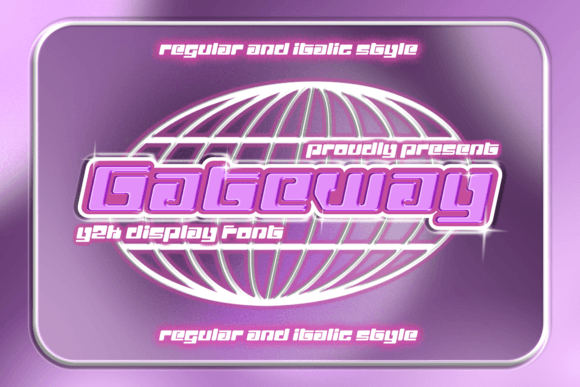
At its core, Gateway is a display font built for impact. Its character is defined by bold, geometric letterforms that feel both futuristic and retro. You’ll notice sleek, confident strokes paired with exaggerated curves and sharp, asymmetrical edges. This isn't a quiet sans serif font for body copy; it's a statement piece. The visual personality is energetic, digital, and unapologetically stylized.
What truly sets Gateway apart are its stylistic details. Some versions may incorporate pixelated textures or subtle holographic effects, mimicking the iridescent finishes popular in early 2000s tech and fashion. Others might offer metallic sheens or clean, vector-ready outlines. This versatility allows it to function as a premium font for various creative needs. Its strength lies in its ability to evoke a specific feeling—of innovation, of playful complexity, of a future imagined from the past. When you choose Gateway, you're not just selecting a typeface; you're adopting a specific brand identity cue that speaks volumes before a word is even read.
Where Gateway Truly Shines: Practical Applications
The real value of a font like Gateway is measured in its application. It’s a powerful tool for grabbing attention in crowded visual spaces. Consider using it for:
- Logo Design & Branding: For a tech startup, a gaming channel, a music festival, or a fashion brand targeting a young adult audience, Gateway can form the cornerstone of a memorable logo design. It instantly communicates a vibe of innovation and trend-awareness.
- Marketing & Social Media: In the fast-scroll world of social media graphics, a bold headline set in Gateway can stop the scroll. It’s perfect for event posters, podcast cover art, YouTube thumbnails, and Instagram story announcements where high-impact visuals are crucial.
- Packaging & Editorial Design: Imagine a limited-edition sneaker box, a energy drink can, or the cover of a music magazine. Gateway brings a dynamic edge to packaging design and editorial design, especially for products that want to feel current, edgy, or connected to digital culture.
- Digital & Web Design: Used sparingly for hero sections, call-to-action buttons, or feature headers, it can energize a website's web design. It pairs surprisingly well with cleaner serif fonts or script fonts for body text, creating a compelling font pairing that balances flair with readability.
Conversely, it’s generally not the right choice for lengthy paragraphs of text, formal academic publications, or brands aiming for a serene, minimalist, or classic luxury aesthetic. Its personality is strong, and it needs a project that can match its energy.
Smart Integration: Making Gateway Work for You
Adopting a character-driven font requires thoughtful execution. First, always consider your audience. The Y2K aesthetic resonates powerfully with millennials and Gen Z, evoking a sense of shared cultural memory. For an older demographic, it might read as purely futuristic or avant-garde. Context is everything.
Readability is paramount. Test the font at the size you intend to use it. While Gateway is designed for headlines, ensure its unique shapes are clear when scaled down or viewed on mobile devices. Review all the included styles and weights—does the family offer a regular, bold, or italic version that gives you the flexibility you need?
When building a broader visual system, the font pairing strategy is critical. Let Gateway dominate headlines and key branding elements. Support it with a highly legible sans serif font for subheads or a classic serif font for body copy. This creates a clear visual hierarchy that guides the reader’s eye and maintains professionalism. Avoid pairing it with other highly decorative handwritten fonts or complex script fonts, as this will create visual chaos.
Finally, verify the licensing. Ensure the commercial font license covers your intended use, whether for a client project, merchandise, digital products, or broadcast. A reputable foundry or marketplace will make this clear. By treating Gateway as a strategic component of your design assets rather than just a novelty, you can harness its nostalgic power to create work that feels both timely and timeless, engaging your audience with a confident, energetic voice that’s hard to ignore.