Glitch Noise: Capturing Digital Energy in Your Design
When you are working on a project that requires a high-energy, futuristic vibe, standard typography often falls flat. You need a typeface that feels like it is part of the digital world it represents. This is where Glitch Noise enters the conversation. It is not just a set of letters; it is a stylistic statement designed to mimic the visual artifacts of electronic interference. If you are building a brand identity for a tech startup, designing a thumbnail for a gaming channel, or creating merchandise for an esports team, this font brings the "noise" in a controlled, artistic way.
Understanding the Visual Character
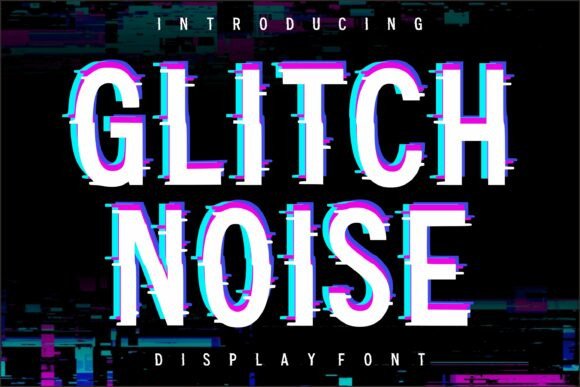
Glitch Noise is a premium font that functions as a display typeface. To be clear, this is not a body text option. You would not use this for a blog post or a whitepaper. Its strength lies in its bold, distorted aesthetic. The characters are constructed with a digital glitch effect, meaning you will see elements that look like scan lines, pixelation, or data corruption. This creates a distinct cyberpunk atmosphere.
The personality of the font is aggressive and modern. It draws inspiration from retro digital screens and sci-fi visuals, but it remains readable. This balance is crucial. Often, "glitch" fonts sacrifice legibility for style, making them useless for actual communication. Glitch Noise, however, maintains the structure of the letters while adding the stylistic flair of modern typography. It works best in uppercase, which helps maintain that commanding presence required for headlines.
Practical Applications for Creators and Brands
As a designer or entrepreneur, choosing the right creative font is about matching the tool to the task. Glitch Noise excels in environments where you need to grab attention instantly. Here are some practical scenarios where this typeface shines:
- Gaming and Esports: This is the natural home for Glitch Noise. It fits perfectly into stream overlays, team logos, and tournament posters. The visual noise mimics the digital environment of gaming.
- Music and Entertainment: If you are designing music covers for electronic, synthwave, or hip-hop artists, this font adds the right amount of edge. It also works well for YouTube thumbnails, helping content stand out in a crowded feed.
- Tech Branding and Advertising: For tech branding, especially in software or hardware that targets a younger demographic, Glitch Noise can define the look of the brand. Use it for web design hero sections or social media graphics to announce product launches.
- Merchandise: Modern merchandise often relies on bold graphics. Whether it is apparel or accessories, this font translates well to print, offering a high-impact visual element that appeals to fans of digital culture.
Strategic Use of Typography
Using a display font like Glitch Noise requires a strategic approach to visual hierarchy. Because the font has such a strong personality, it naturally becomes the focal point of any design. You should pair it with something neutral. A clean sans serif font or a simple serif font works best for body copy. If you pair Glitch Noise with another decorative font, the design will likely become chaotic and unreadable.
Consider the brand perception you want to establish. Using Glitch Noise signals that a brand is modern, energetic, and perhaps a bit rebellious. It suggests innovation and a connection to digital culture. However, if your brand voice is meant to be traditional, quiet, or luxurious, this font would be a mismatch. Font pairing is about contrast; let the headline do the shouting and the body text do the explaining.
Technical Details and Usability
From a technical standpoint, Glitch Noise is a robust design asset. It comes in OTF and TTF formats, ensuring compatibility with most design software, from Adobe Creative Suite to Canva and beyond. It includes uppercase letters, numbers, and punctuation, which covers the basics for headlines and titles.
One important feature is its multilingual support. If you are creating content for a global audience or working on a project that requires specific accented characters, this font has you covered. This expands its utility beyond English-only projects, making it a valuable asset for international brand identity work.
Evaluating Fit and Licensing
Before integrating Glitch Noise into your workflow, take a moment to evaluate the fit. Look at the specific characters you need. Does the "Q" or "R" look the way you expect? Test it in your specific context. Type out your actual headline to see how the letters interact.
Also, consider the commercial font license. Since you are likely using this for business purposes—whether it is editorial design, packaging design, or client work—ensure you understand the usage rights. A good premium font comes with clear licensing that allows for commercial use, protecting both you and your client.
Finally, think about longevity. Trends in digital artwork change quickly. While the cyberpunk aesthetic is popular now, ensure that the design you create can evolve. Use Glitch Noise for elements that can be updated or swapped out, rather than carving it into stone for a permanent logo, unless that specific "glitch" aesthetic is central to your permanent brand strategy.
Final Thoughts on Implementation
Glitch Noise is a tool for impact. It is designed to cut through the noise of the internet and grab the viewer's attention. Whether you are a content creator looking to upgrade your channel art or a small business owner launching a new tech product, this font offers a way to communicate "future" and "energy" visually. Use it wisely, pair it simply, and let the digital distortion do the work for you.