Unleashing Whimsy: A Designer's Guide to Funny Cat Doodle
If you've ever scrolled through design assets searching for that one perfect typeface to inject pure personality into a project, you know the feeling. You need something that feels handcrafted, energetic, and instantly recognizable. That's precisely where the Funny Cat Doodle font enters the conversation. It's more than just a collection of letters; it's a fully realized creative character. As a display font, its primary job is to grab attention, and it does so with the playful, mischievous energy of a cat batting at a ball of yarn. Each letterform feels sketched by hand, with varying line weights and imperfect curves that give it an authentic, artisanal quality. This isn't a font for body text; it's a headline hero, a logo element, and a branding statement all rolled into one.
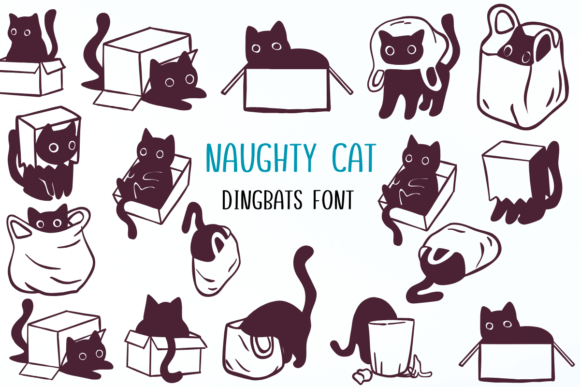
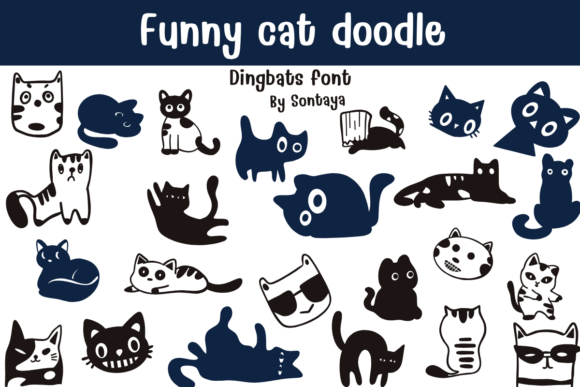
The visual personality of Funny Cat Doodle is its greatest asset. It embodies a sense of lighthearted fun and approachability. The letter spacing is intentionally loose, allowing each character to breathe and maintain its doodled integrity even at smaller sizes. Its style sits comfortably between a handwritten font and a dingbats doodle cartoon set, offering tremendous versatility. You're not just getting a typeface; you're getting a toolkit for creating cohesive, thematic designs. The inclusion of ProcreateFont, Affinity Font, Affinity Designer Font, and Affinity Photo Font files is a practical touch that speaks directly to modern creators who work across multiple platforms. This compatibility removes a major friction point, allowing you to seamlessly integrate the font into your existing workflow, whether you're designing on an iPad or a desktop.
Where This Creative Font Truly Shines
Understanding the ideal applications for a premium font like Funny Cat Doodle is key to using it effectively. Its inherent playfulness makes it a standout choice for projects targeting a younger demographic or any audience that appreciates humor and whimsy. Think children's book titles, pet shop branding, bakery logos for a quirky cupcake cafe, or the masthead for a lifestyle blog with a focus on pets and DIY crafts. In packaging design, it can transform a simple product into something memorable and giftable. A cat food brand, a line of handmade cat toys, or even artisanal jams could use this typeface to signal fun, quality, and personality right on the shelf.
In the digital realm, Funny Cat Doodle is a powerhouse for social media graphics. Its bold, sketch-like quality ensures legibility and impact even on small, fast-scrolling screens. Use it for Instagram story headers, YouTube video thumbnails, or Pinterest pins to create an immediate visual hook. For web design, it's perfect for hero section headings, call-to-action buttons where you want to inject personality, or section titles on a portfolio site for a creative professional. The key is to use it strategically as an accent. Pair it with a clean, neutral sans serif font for body copy to create a balanced and readable hierarchy. This contrast is a fundamental principle of modern typography and ensures your design feels intentional, not chaotic.
Making It Work: Practical Tips for Selection and Pairing
Choosing any creative font involves more than just liking how it looks in a preview. With Funny Cat Doodle, your first step should be to test it against your specific project's tone. Does the playful, hand-drawn aesthetic align with your brand identity? A law firm probably isn't the right fit, but a veterinary clinic, a pet groomer, or a children's event planner would be an excellent match. Next, examine the included styles and character sets. A robust font family often includes alternates, ligatures, and dingbats. The doodle elements in this font are a major bonus, allowing you to create custom graphics, borders, or icons that perfectly match the letterforms, ensuring absolute brand consistency.
Evaluating font pairing is perhaps the most critical practical step. Funny Cat Doodle is a high-personality display font. It demands a partner that can step back and support it without competing. Your best bets are stable, geometric sans serif fonts like Montserrat, Poppins, or Lato. For a different feel, a simple, clean serif font can also work, lending a touch of unexpected sophistication. Avoid pairing it with other highly stylized script fonts or overly decorative typefaces, as this will create visual noise and undermine readability. Always create a mockup of your headline and body text together. Check the spacing, the weight contrast, and how the two fonts interact on the page or screen. This testing phase is non-negotiable for achieving a professional result.
Finally, consider the practicalities of licensing. Since Funny Cat Doodle is positioned as a commercial font, ensure the license you purchase covers your intended use—whether for a client's logo design, a product line for small business owners, or editorial design in a magazine. Most reputable font licenses are clear about these terms. By investing in a quality typeface like this, you're not just buying a set of letters; you're acquiring a design asset that can elevate your work, strengthen your visual communication, and help you connect with your audience on a more human, relatable level. It’s a tool that, when used thoughtfully, brings a project to life with charm and character.